
Testosterone
Are you a man or woman over 35 who struggles with reduced libido, low energy, difficulty losing weight, sweating at night, mood swings, reduced erections and reduced orgasm? If so, you need to get your testosterone checked. You may be suffering from Low Testosterone and pellet therapy or home injections may be the solution to how you are feeling!
We often hear “I’m sure my Doctor checked my testosterone level at my last annual exam”. The reality is that testing for testosterone is not part of the routine testing for men and women.
What is Pellet Implant Therapy and How Does It Work?
Testosterone pellets are bio-identical, an exact match to what your body naturally produces. We use testosterone pellets that are produced in the USA by Qualgen an FDA approved facility.
The pellet insertion procedure is quick and easy for patients. You may return to work the same day, but will need to reduce physical activities for several days.
An area of the upper outer buttock will be selected and numbed. We use a sterile technique to place one or more pellets into the selected fat layer of the buttock.
The warmth of the body causes the pellet(s) to slowly dissolve, leading to excellent, even levels of testosterone for the next 3 to 4 months in women and 4-6 months in men.
When the pellets are worn off the procedure is repeated using the opposite buttock. With optimal testosterone levels, your symptoms of “low testosterone” will improve dramatically.
We offer affordable pellet implants starting at $400 for women and $750 for men. The price includes the cost of the pellets, the procedure and sterile tray.
All new patients will complete a one-time Hormone Consultation: $175
Lab panels vary in cost from $100 to $170.
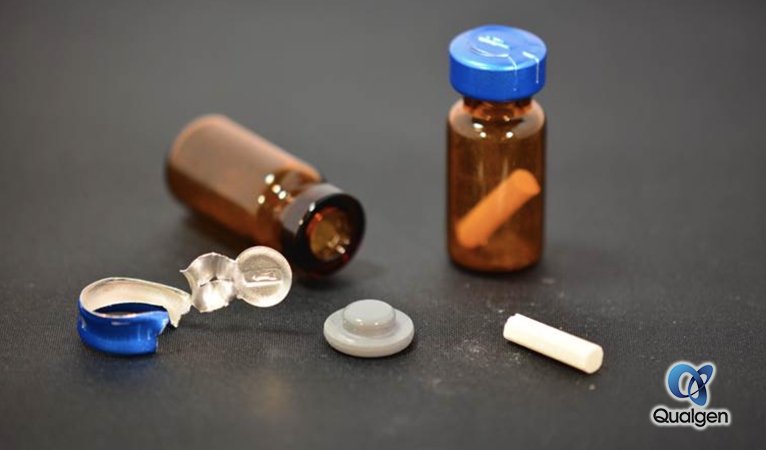
Testosterone pellets are sterile. Each one arrives in a sterile glass vial.
Women typically receive a dose range of 50 to 150 mg (1 to 2 pellets coming in a variety of doses).
Men receive larger 200 mg pellets and typically receive 8-10 pellets per visit.

Testosterone Pellet Review
I have received these pellets from Omaha Med Spa over the past 12 years it has been a great experience. The testosterone gives me my strength, energy and muscle tone back. In addition, I experience less anxiety as a result of the hormone moderation that these pellets give. I appreciate Dr Abbott, his Physician Assistant’s and the entire staff. They are very kind and diligent. They provide really good aftercare, which I appreciate. I highly recommend this procedure to anyone who wants to safely get back some of their youth and energy - John Kilpatrick June 2026
Home Injection
Home injection is an alternative to pellet implant therapy for men. We don’t generally recommend home injections for women, who are much better suited to pellet implants.
To get started on a Home Injection program, you will first complete a Hormone Consultation and lab work. If you are a candidate for Testosterone Home Injections, we will set your starting dose and train you or your partner to safely and correctly administer the injections. A prescription for testosterone cypionate will be sent to your pharmacy of choice. If your Total Testosterone level is extremely low, your treatment may be covered by your health insurance plan, in which case we will transfer your care to your family doctor for prescribing and monitoring. Most men are low in testosterone, but not low enough for health insurance to help, and we are their providers. Ask for Good Rx pricing of the testosterone cypionate injections at the pharmacy to receive significant savings.
We will see you after 5-6 injections of testosterone have been given at home to recheck your levels. Plan on coming in for lab work 3 days post T injection for a “peak” level. Once the ideal dosing schedule is established we will see you every 6 months for a follow up visit and full lab work.
Thickening of the Blood
Testosterone can stimulate over production of red blood cells, which can lead to thickening of the blood and a higher risk for clots, stroke and heart attack. We suggest that all men and women on testosterone donate blood to the red cross every 6 months to stay ahead of that problem.
Elevated Estradiol
As your body breaks down testosterone you will produce estradiol (estrogen). In men excessive levels of estradiol can cause nipple tingling or sensitivity. Left untreated this can cause enlargement of the male breast tissue, a condition we call gynecomastia. We monitor men for symptoms of excessive levels of estradiol and also monitor the blood levels every 6 months. This is easily managed with aromatase inhibitors, an oral medication, that block the production of estradiol.
Hair growth and Hair loss
Testosterone will stimulate growth of hair on the chest and back. Unfortunately it will not stimulate growth of hair on the scalp. Men and women lose scalp hair with aging, and this is also affected by genetics. Testosterone can accelerate lose of hair from the scalp.
Acne
Testosterone stimulates the skin to produce more oil and in some people this can lead to acne in men and women. We can manage this with usual treatments taken for acne. In women spironolactone can be very helpful.
Women and Hormones
Understanding Your Hormones: What Women Need to Know about Perimenopause, Estrogen, Progesterone, and Testosterone — and How Testosterone Implant Therapy Can Help
Perimenopause is the transitional phase before menopause when ovarian hormone production becomes irregular. It commonly begins in a woman’s 40s but can start earlier for some. Hormonal changes during perimenopause affect more than menstrual cycles — they influence mood, energy, sleep, bone health, body composition, sexual function, and cognitive clarity. Knowing which hormones are involved and how they work lets you make informed choices about symptom relief and long-term health.
Key hormones and what they do
Estrogen
Primary estrogen (estradiol) supports vascular health, bone density, skin elasticity, vaginal tissue health, and neurotransmitter balance.
Declining estrogen causes hot flashes, night sweats, vaginal dryness, urinary symptoms, mood shifts, and increases risk for osteoporosis and cardiovascular changes.
Progesterone
Progesterone balances estrogen’s effects, promotes restful sleep, calms anxiety, and supports regular ovulation when cycling.
In perimenopause, progesterone levels fall earlier and more erratically than estrogen, often causing irregular bleeding, sleep disruption, and mood swings.
Testosterone
Often perceived as a “male” hormone, testosterone is essential in women too. Ovaries and adrenal glands produce it in smaller amounts.
It supports libido, sexual responsiveness, energy, muscle mass and strength, bone health, mood stability, motivation, and cognitive function.
Testosterone also contributes to body composition — helping maintain lean mass and a healthy metabolic rate.
How hormone changes present in perimenopause
Common symptoms:
Hot flashes and night sweats
Sleep disturbances and insomnia
Decreased libido and sexual arousal
Vaginal dryness and painful intercourse
Fatigue, low motivation, and reduced exercise capacity
Weight gain (especially increased central adiposity) and loss of muscle tone
Mood changes, anxiety, brain fog, and concentration difficulties
Symptoms differ substantially among women because absolute hormone levels are less important than how rapidly they change and individual sensitivity to those changes.
Why testosterone matters for women
Libido and sexual health: Testosterone is a primary driver of sexual desire and responsiveness in women. Low testosterone correlates with decreased libido and reduced sexual satisfaction.
Energy and mood: Adequate testosterone supports energy, motivation, and resilience against depression and low mood.
Body composition and strength: Testosterone helps preserve muscle mass and bone density, supporting physical function and metabolic health.
Cognitive and metabolic effects: Testosterone contributes to mental clarity, executive function, and can influence body fat distribution and insulin sensitivity.
Assessing your hormones
Symptoms guide testing. A detailed symptom history combined with targeted hormone testing (often blood, sometimes saliva) helps identify imbalances.
Important tests: estradiol, progesterone (timed appropriately in cycling women), total and free testosterone, thyroid function and sometimes SHBG (sex hormone–binding globulin).
Interpretation of “normal” lab ranges are broad and do not always reflect optimal function for a given woman.
Treatment options during perimenopause and menopause
Lifestyle interventions: sleep hygiene, exercise (resistance training), nutrition focused on protein and calcium/vitamin D, stress management, and limiting alcohol/tobacco all support hormone balance and symptom reduction.
Local vaginal estrogen: effective for vaginal dryness, dyspareunia, and urinary symptoms with minimal systemic exposure.
Systemic hormone therapy (estrogen ± progesterone): the most effective option for hot flashes, night sweats, and prevention of bone loss in many women. Benefits and risks should be discussed based on age, medical history, and individual risk factors.
Nonhormonal options: certain antidepressants, gabapentin, and other agents can help hot flashes and mood symptoms when hormones aren’t appropriate.
Testosterone therapy: when indicated, testosterone specifically addresses low libido, persistent fatigue, loss of muscle mass, and decreased motivation that don’t respond to estrogen alone.
Testosterone implant therapy: what it is and how it helps
What it is: Testosterone implant therapy involves placing small, bioidentical testosterone pellets subcutaneously (under the skin) in the fat layer of the buttock. The pellets release a steady, physiologic dose of testosterone over 3 months.
Why implants: Pellets provide stable, continuous delivery that avoids the peaks and troughs seen with topical gels, patches, or injections. Many women prefer the convenience — once placed, no daily dosing or messy application.
Potential benefits for women:
Improved libido, arousal, and sexual satisfaction
Increased energy